
What tariffs mean for your bid pricing — a plain-language guide
Tariffs can silently erase your margin on a fixed-price bid. Here's how to spot the exposure and price around it before you submit.
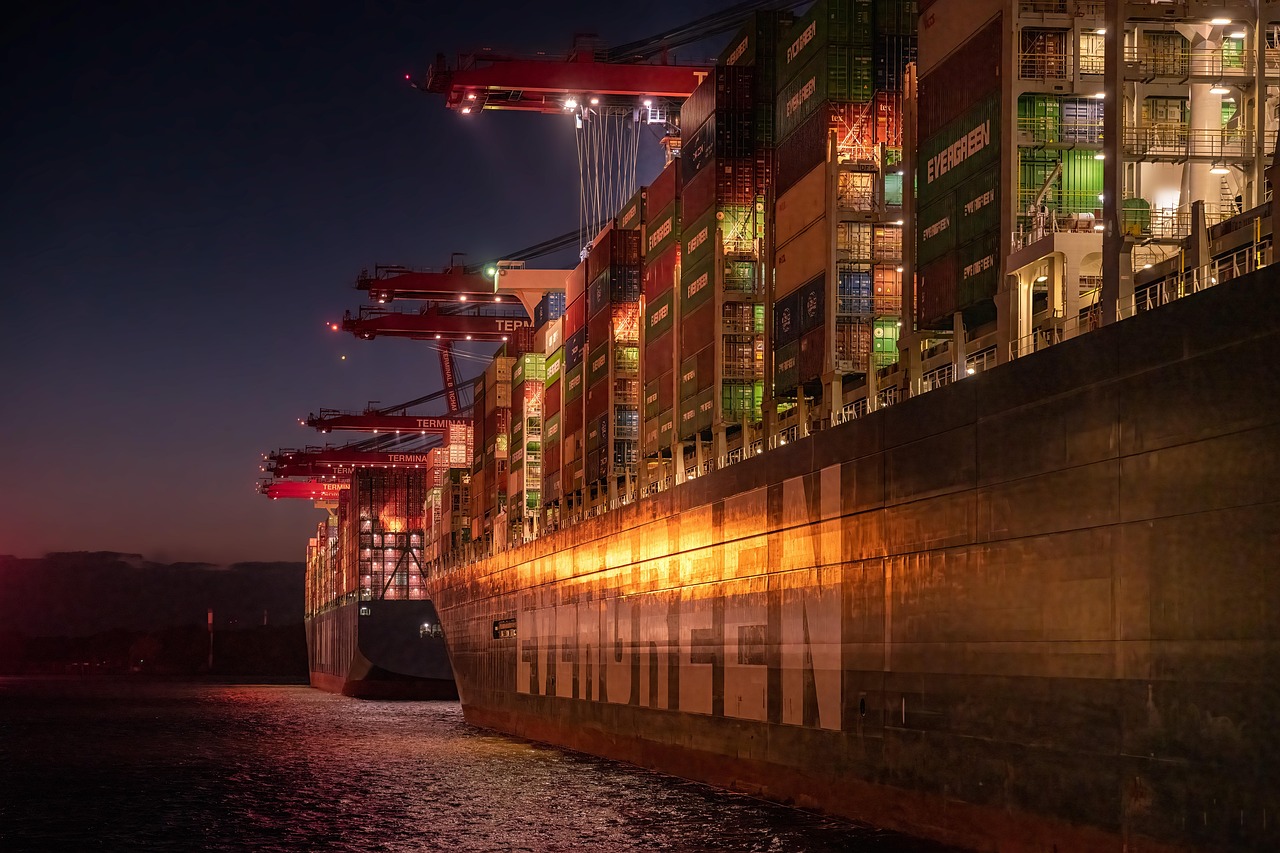 Image by LoboStudioHamburg from Pixabay
Tariffs are extra taxes on goods crossing a border. If you sell products, use imported parts, or ship equipment across the Canada–US border, tariffs can quietly wreck a bid price you thought was safe. This guide explains what tariffs actually do to your costs, and how to price a bid so a tariff change doesn't turn a win into a loss.
What a tariff actually does to your price
A tariff is a tax a government charges on goods when they cross into the country. It is usually a percentage of the value of the goods. The importer pays it — and in most supply chains, that cost gets passed down the chain until it lands on whoever is closest to the customer.
If you bid on a government contract and your product or a key part of it comes from outside Canada, a tariff increase after you submit your bid does not get you out of the price you promised. Most government contracts lock your price at the number you bid. If tariffs rise afterward, you absorb the difference, unless your contract has a clause that lets you pass it on.
This is why tariff exposure needs to be part of your pricing decision, not an afterthought once you have won.
Where tariffs hide in a typical bid
Tariffs rarely show up as a single obvious line. They hide inside costs you might not think to check.
- Raw materials. Steel, aluminum, lumber, electronics and chemical inputs are common tariff targets in Canada–US trade disputes.
- Finished goods. If you resell equipment made abroad, the tariff applies to the whole unit, not just the parts.
- Subcontracted work. If a subcontractor imports anything to do their part of the job, their tariff cost becomes your risk if you do not ask about it.
- Freight and logistics. Cross-border shipping delays caused by new customs checks can add cost even when the tariff rate itself is small.
- Currency swings. Tariffs and exchange-rate moves often happen together, and both hit the same imported-input line on your cost sheet.
Before you price anything, trace your supply chain back one or two steps further than you normally would. A part that is "Canadian-made" can still contain an imported sub-component.

Buy Canadian rules are changing who counts as exposed
Ottawa's Buy Canadian Policy, rolling out from December 2025, gives Canadian suppliers an evaluation advantage on federal contracts. It currently applies to strategic-sector contracts worth $25 million or more, and is set to expand to contracts of $5 million or more by mid-2026. Large projects also carry Canadian-content rules for steel, aluminum and wood.
That means two things for smaller suppliers. First, if your business sources these materials abroad, you may face a real evaluation disadvantage even before tariffs change your cost. Second, if you can show genuine Canadian content, you may gain an advantage over competitors who cannot. Either way, it is worth knowing exactly where your inputs come from before you bid, not after a buyer asks. For a deeper look at how this plays out for your specific pricing strategy, see is your business tariff-exposed? and the broader explainer on what the Buy Canadian Policy is.
A related but separate set of rules — reciprocal procurement, arriving spring 2026 — will restrict most non-defence federal contracts to Canadian and "trusted partner" suppliers. This is not a tariff, but it changes who you are competing against, which affects how tightly you can price.
Fixed-price vs adjustable contracts
How your contract is structured decides who eats a tariff increase. Government contracts generally fall into two camps.
| Contract type | Who absorbs a tariff increase after award | What to check before bidding |
|---|---|---|
| Fixed-price (most common) | You, the supplier, unless a clause says otherwise | Read the terms for any economic price adjustment or tariff clause |
| Cost-reimbursable | The buyer, up to agreed limits | Confirm which cost categories are actually reimbursable |
| Standing offer / supply arrangement | Usually you, per call-up, unless prices are indexed | Check if pricing can be revisited at renewal |
| Multi-year fixed-price | You, for the full term, which is the highest-risk case | Ask about escalation clauses before signing |
If you cannot find a price-adjustment clause in the tender documents, assume there isn't one. Ask during the bid question period if the buyer will consider one, especially for multi-year contracts involving imported materials.
Building tariff risk into your price
You do not need to guess. A few practical steps keep tariff risk from becoming a surprise.
- List every imported input. Go through your bill of materials or subcontractor list and flag anything that crosses a border before it reaches you.
- Check the current tariff rate and watch for pending changes. Rates on some categories have moved more than once in the same year recently, so check close to your bid date, not months in advance.
- Add a contingency line, not a guess baked into overhead. A visible contingency is easier to justify to an evaluator than a padded unit price that looks uncompetitive.
- Ask your suppliers to hold pricing for your bid validity period. If they will not, that gap is your risk, and it belongs in your price.
- Consider a Canadian-sourced alternative, even at a higher unit cost, if it removes tariff exposure and strengthens your Canadian-content position under Buy Canadian rules.
- Read the draft contract terms, not just the statement of work, for any clause about cost adjustments, force majeure, or economic price changes.
If you are new to pricing structure generally, how to price a government bid without leaving money on the table covers the fundamentals that this guide builds on.

Interprovincial trade: the other side of the coin
Tariffs usually bring international trade to mind, but provinces are also removing long-standing barriers to trade between themselves. Rules that once stopped a supplier in one province from easily bidding in another are being loosened. For a business squeezed by cross-border tariff costs, this is a genuine opportunity: sourcing materials or subcontractors from another Canadian province may now be cheaper and simpler than it was two years ago, and it sidesteps tariff exposure entirely. It is worth checking opportunity listings by province to see whether work in a neighbouring jurisdiction is now easier to reach.
Trade agreements and where tariffs do (and don't) apply
Not every Canadian government purchase is subject to the same trade rules. Agreements like CUSMA (the Canada-United States-Mexico Agreement), the CFTA (Canadian Free Trade Agreement, covering trade between provinces) and the WTO-AGP (World Trade Organization Agreement on Government Procurement) set out which suppliers must be allowed to bid on which contracts, and under what conditions. Tariffs on goods are a separate mechanism from these procurement access rules, but the two interact: a supplier protected by a trade agreement's market-access rules can still face a tariff on the physical goods they import to fulfil the contract.
Understanding which threshold and which agreement applies to a specific tender helps you judge how much competition you are likely to face, and whether your competitors carry the same tariff exposure you do. See trade agreement thresholds explained for the detail.
A pricing checklist before you submit
Before you hit submit on a bid with any imported content, run through this short list:
- Have you traced your bill of materials back through subcontractors, not just your own direct purchases?
- Have you checked the current tariff rate on each imported category within the last few weeks?
- Does the contract type allow any price adjustment after award?
- Have you added a visible, justifiable contingency line rather than folding risk into your margin quietly?
- Have your suppliers confirmed they will hold pricing for your full bid validity period?
- Have you checked whether a Canadian-sourced alternative would reduce both tariff exposure and improve your Buy Canadian standing?
- Have you checked provincial or interprovincial sourcing options as an alternative to cross-border imports?
Working through this list takes an afternoon. Skipping it can cost you the margin on the entire contract.
Where to go next
Tariff exposure is not something you calculate once and forget. Rates shift, trade rules evolve, and the Buy Canadian and reciprocal procurement rules are still rolling out through 2026. Build a habit of checking your exposure every time you price a bid with imported content, and use live tender search to see which opportunities in your sector are drawing in Canadian-content requirements.