
How to set up bonding and insurance before your first public bid
Learn which bonds and insurance Canadian buyers require, how to get bond-ready with no track record, and what Buy Canadian rules mean for you.
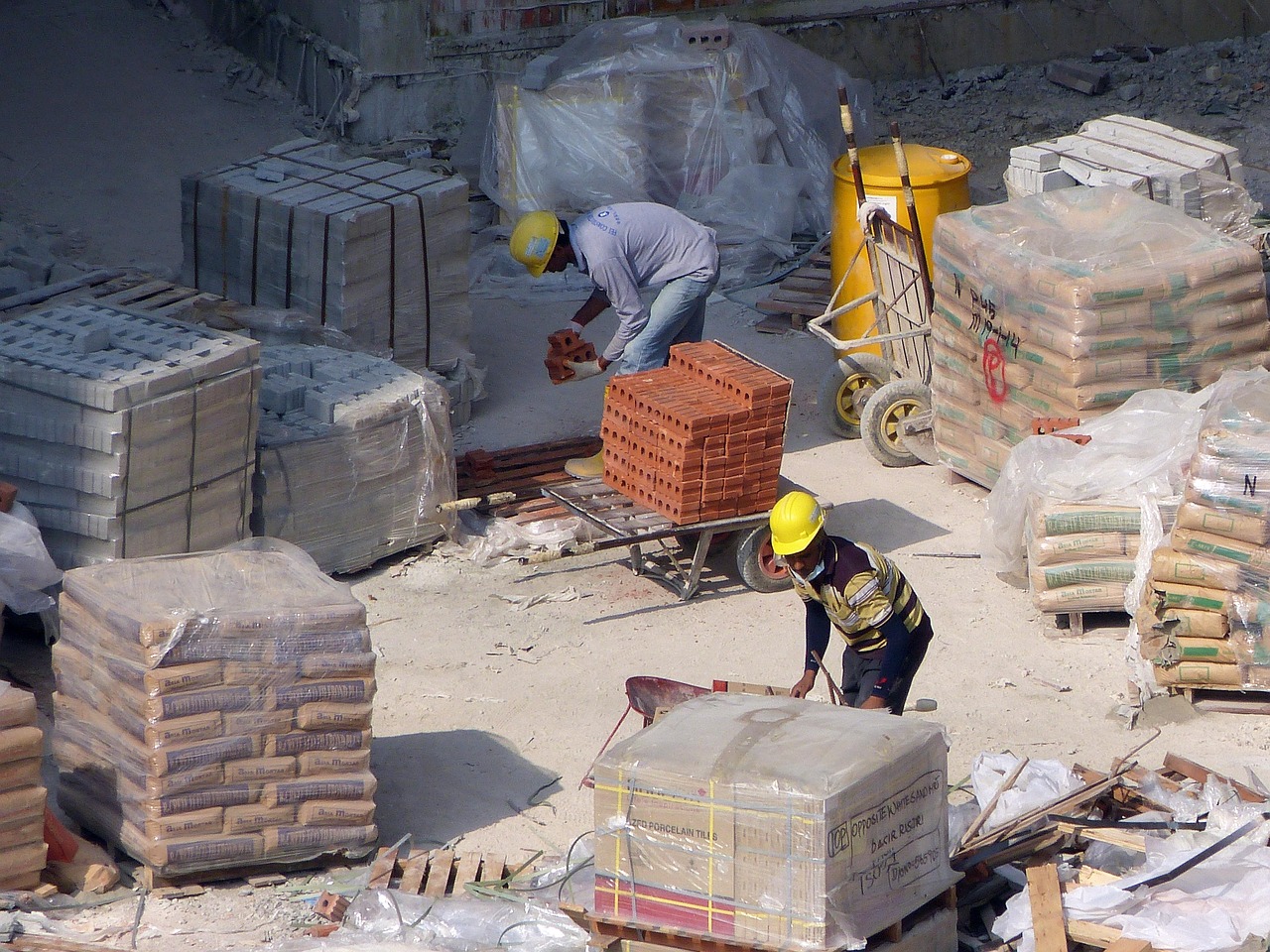
 Image by geralt from Pixabay
Winning your first government contract feels like the hard part. Then the buyer sends you the contract paperwork, and you see the words "bid bond" and "certificate of insurance" for the first time. Getting bonding and insurance sorted out before you bid, not after you win, is what separates businesses that can actually take the job from businesses that have to walk away from it.
Why buyers ask for bonds and insurance at all
Government buyers use taxpayer money, so they need proof you can finish what you start. Bonding is a financial guarantee, usually from an insurance company called a surety, that promises the buyer will get compensated if you fail to complete the contract. Insurance protects against day-to-day risks, like an accident on site or damage to a building you're working in.
These are two separate things. A bond protects the buyer against your business failing to perform. Insurance protects everyone against accidents, injuries and property damage while you're doing the work. Most construction and many services contracts ask for both, and understanding mandatory vs rated requirements matters here — a missing bond or insurance certificate is almost always a mandatory requirement, meaning your bid gets rejected outright if it's missing, no matter how good your price is.
The three bonds you'll meet most often
Construction and larger service contracts commonly ask for some combination of these:
- Bid bond: A guarantee, usually 10% of your bid price, that you'll sign the contract and provide the other required bonds if you win. It protects the buyer if you win the bid and then back out.
- Performance bond: A guarantee that you'll finish the work according to the contract. If you can't finish, the surety pays to have someone else complete it, up to the bond amount.
- Labour and material payment bond: A guarantee that your subcontractors and suppliers get paid. This protects them, and it protects the buyer from liens and disputes showing up on public property.
Smaller contracts, and most non-construction services, often skip bonds entirely and rely on insurance and a letter of credit instead — a bank guarantee that works a bit like a bond but comes from your bank rather than a surety company. For a full breakdown of how each of these works and what they cost, see our guide on bid bonds, performance bonds and letters of credit.
The insurance a buyer will usually ask for
Insurance requirements vary by contract type, but a few show up again and again in Canadian public tenders:
- Commercial general liability (CGL) insurance: Covers injury or property damage caused by your work. Buyers typically ask for a minimum amount, often $2 million or $5 million per occurrence, and want to be named as an "additional insured" on your policy.
- Automobile liability insurance: Required if you'll be driving vehicles as part of the contract, even your own truck or van.
- Professional liability (errors and omissions) insurance: Common for consulting, engineering, IT and design contracts, where the risk is a mistake in advice or work rather than a physical accident.
- WorkSafe or workers' compensation coverage: Required almost everywhere you have employees doing physical work. You'll usually need to show a clearance certificate proving your account is in good standing.
A tender document will spell out the exact type and dollar amount it wants. Read the statement of work carefully, because insurance requirements are sometimes buried in an appendix rather than the main body of the tender.
Bonds and insurance at a glance
| Requirement | What it protects | Who provides it | When it's usually needed |
|---|---|---|---|
| Bid bond | Buyer, against you backing out after winning | Surety company | Larger construction tenders, at time of bid |
| Performance bond | Buyer, against unfinished work | Surety company | After contract award, before work starts |
| Labour and material payment bond | Subcontractors and suppliers | Surety company | Alongside a performance bond |
| Letter of credit | Buyer, as an alternative to a bond | Your bank | Smaller contracts or non-construction work |
| Commercial general liability insurance | Buyer and public, against injury or damage | Insurance broker | Almost all contracts involving physical work |
| Professional liability insurance | Buyer, against errors in advice or design | Insurance broker | Consulting, IT, engineering, design contracts |
| Workers' compensation coverage | Your employees | Provincial WorkSafe board | Any contract with employees on site |
How to get set up before you have a track record
New bidders often assume they need years of history to get bonded. That's not quite true, but sureties and insurers do want evidence you can manage risk. Start with these steps, ideally months before you plan to bid:
- Talk to a bonding agent or broker, not just an insurer. Bonding is a specialized product. Ask other small contractors or your industry association for a referral to a broker who regularly works with government suppliers.
- Get your financials in order. Sureties typically want at least your last two years of financial statements, and sometimes a personal net worth statement for the business owner. If your business is brand new, expect to lean more heavily on the owner's personal credit and experience.
- Build a simple track record first. If you have no government contracts yet, private-sector jobs of a similar size and type still count. Our guide on building a past-performance portfolio from zero walks through how to present this convincingly.
- Get insurance quotes in writing early. Ask your broker for a letter confirming they can provide the coverage and limits a typical tender asks for. Some tenders accept this "letter of intent to bond" or "confirmation of insurability" as proof at bid stage, saving you from buying a full policy before you've even won anything.
- Renew before you bid, not after. Insurance certificates and bonding capacity letters expire. Check the dates before every submission, and don't let this be the reason you fail a compliance check.

What bonding capacity actually means
A surety won't just bond one contract — it sets an overall bonding capacity, the total dollar value of work it's comfortable guaranteeing for your business at any one time, across all your active contracts. If you're already using $800,000 of a $1 million capacity on other jobs, you may not be able to bid a new $500,000 contract until something wraps up.
This is a good reason to think about bonding capacity the same way you think about cash flow: track what's committed, and plan ahead before you chase a big new opportunity through live tender search for your sector.
Costs and timelines to expect
Bond premiums are usually a small percentage of the contract value, often somewhere between 0.5% and 3%, though the rate depends heavily on your financial strength, experience and the type of work. Insurance premiums vary even more by industry and claims history. Neither is instant:
- A bid bond or bonding capacity letter can often be arranged within a few business days once your broker has your financial information on file.
- Full performance bonds are usually issued after contract award, once the buyer confirms you've won.
- Insurance certificates naming the buyer as additional insured typically take a few days to a couple of weeks, depending on your broker and insurer.
Build this lead time into your bid planning. A great proposal that arrives without the required bond or insurance evidence attached is disqualified just as fast as a weak one.
What's changing under Buy Canadian and reciprocal procurement
Canada's federal Buy Canadian Policy, rolling out from December 2025, is reshaping who gets to compete for larger federal contracts, with Canadian-content requirements on categories like steel, aluminum and wood for bigger projects. It doesn't remove the need for bonding or insurance, but it can change project scale and who your subcontractors are, which affects how much bonding capacity you need. If your business relies on imported materials, it's worth thinking through how Canadian content requirements might affect your supply chain and, in turn, your risk profile with a surety.
At the same time, a new Small Business Procurement Program is being introduced through 2026, with proportional requirements meant to scale expectations — including, in principle, bonding and insurance asks — to the size of the business and contract. That's genuinely useful if you've found bonding requirements on smaller contracts felt oversized for the job.
Reciprocal procurement rules, expected in spring 2026, are also narrowing which suppliers can compete for most non-defence federal contracts to Canadian and trusted-partner businesses. This is unlikely to change your bonding or insurance needs directly, but it may shift how much competition you face, which is worth knowing before you invest in getting bond-ready for a specific sector.
A quick pre-bid checklist
Before you submit your next bid that asks for bonding or insurance, confirm:
- You have a relationship with a bonding broker, not just a general insurance agent.
- Your financial statements are current and ready to share.
- You know your current bonding capacity and how much of it is already committed.
- You have a written confirmation of insurability at the coverage limits the tender asks for.
- Your workers' compensation account is active and in good standing.
- All certificates and letters are dated within the validity window the tender specifies.
- You've read the tender's insurance and bonding clauses word for word, not just skimmed them.
If any of these are missing, it's better to find out during your bid/no-bid decision than after you've already spent hours writing the proposal.
Getting bonding and insurance in place before you need them turns a scramble into a formality. Once your broker relationship and paperwork are set up, each new bid becomes a matter of checking dates and requesting an updated certificate, rather than starting from zero. Do this groundwork once, and it pays off on every tender you chase after.